

ICF Construction UK
ICF construction UK projects are growing rapidly as homeowners and developers seek sustainable, energy efficient homes that perform in real‑world conditions. Using ICF (insulated concrete form) systems, the main structure of your building is formed with interlocking ICF blocks that stay in place as permanent insulation around a reinforced concrete core. The result is a robust, airtight, thermally superior monolithic structure that outperforms traditional timber frame or brick in several key areas, energy efficiency, speed, comfort and durability.
Please also see our service page for Nudura ICF Construction, or contact us for more information
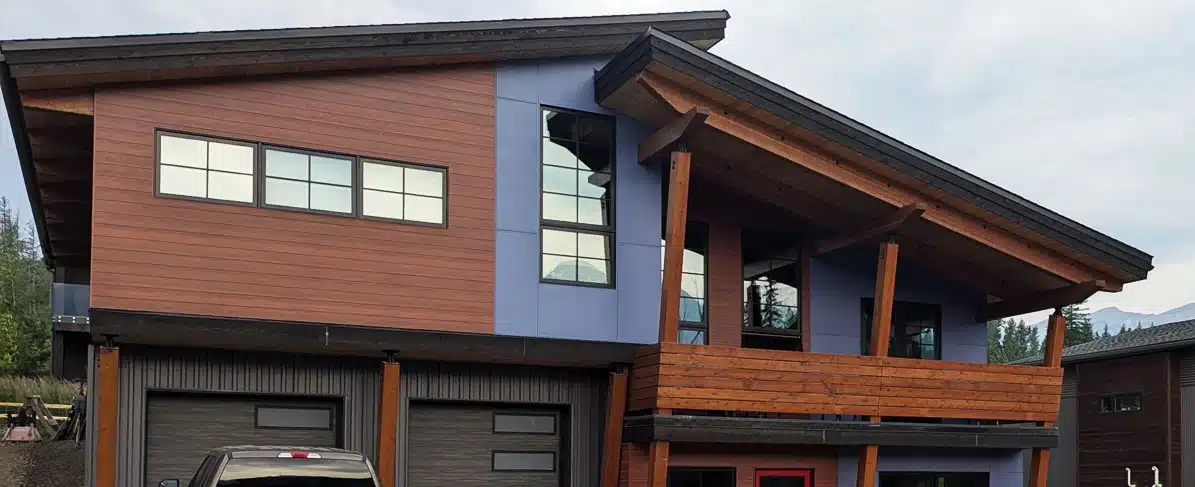
Energy Efficiency
At the heart of ICF’s appeal is outstanding energy efficiency. The combination of continuous insulation, airtightness and thermal mass reduces heat loss, stabilises internal temperatures and lowers heating demand. High u values (low numbers) are achievable without complex detailing, enabling projects to achieve and maintain rigorous building standards while cutting energy bills. With a strong thermal envelope, occupants experience fewer cold spots, less draughts, and healthier homes with consistent comfort year‑round.
ICF Construction
In practical terms, ICF construction assembles lightweight systems on site quickly, even in bad weather, because the forms are dry‑stacked and reinforced before the concrete pour. This speeds up the build process, minimises delays and offers a predictable programme—useful for clients, contractors and self builders alike. The forms create the walls of the entire build, providing continuous insulation inside and out, and a high‑performance substrate ready to accept finishes and services.
Energy Consumption
With airtight ICF walls and a high performance thermal envelope, homes use less energy for heating and electricity. In practice, many projects reduce energy consumption significantly compared to traditional construction, thanks to reduced thermal bridging and excellent u values. Lower energy consumption over the building’s life translates to measurable value, comfort and resilience against rising utility costs.
Insulated Concrete Formwork
Insulated concrete formwork is a modular approach using stay‑in‑place forms to create a strong concrete core. The approach integrates structure and insulation in one pass, improving build efficiency and on‑site productivity. Due to nature of ICF, the system is highly adaptable. Designers can develop curved walls, large openings and complex geometries without compromising the thermal envelope or structural performance. The result: robust solutions that suit contemporary or traditional aesthetics with equal ease.
Carbon Emissions
Reducing carbon emissions is now central to sustainable construction. ICF helps reduce carbon emissions in operation by slashing energy demand through airtightness, continuous insulation and thermal mass. Better operational efficiency over decades can offset initial embodied carbon in materials—a critical factor as the world moves toward net‑zero building targets. Thoughtful planning, low‑carbon concrete mixes, and efficient services design can further limit whole‑life emissions.
Reduce Energy Consumption
ICF’s thermally consistent walls and excellent u values achieve meaningful improvements in comfort and cost control. By design, they reduce energy consumption and keep energy use stable, even during cold snaps or heatwaves. The outcome is predictable indoor comfort with smaller heating systems, offering long‑term value to clients and better resilience for the future.
Energy Efficient
Because the icf system eliminates many thermal bridges, an ICF home is inherently energy efficient. The continuous insulation layer, combined with a dense concrete core, dampens temperature swings and retains warmth. These features, alongside modern glazing and airtight detailing at the roof and floor, create a high‑performance shell that is easier to maintain and costs less to run.
Sustainable Building
ICF sits comfortably within sustainable building strategies. The fast, tidy assembly can reduce on site waste, while durability and low operational energy use deliver lifetime benefits. The approach is cost effective when measured by whole‑life value rather than only upfront price, particularly when future development and retrofit costs are considered. For sectors ranging from residential to education and healthcare, ICF’s predictable performance and programme can be a key advantage.
Internal Walls
While ICF typically forms the external envelope, internal walls can be executed in ICF, concrete, or stud formats, depending on acoustic needs, thermal strategy and services routing. For high acoustic separation, mass helps, pairing ICF internals or dense blockwork with acoustic layers supports quiet, healthier homes with private family space.
Circular Economy
A circular economy lens looks at durability, operational efficiency, and end‑of‑life strategies. ICF’s long life, minimal maintenance and robust performance reduce premature replacement, while low operational energy use supports circular outcomes in use. Design for disassembly is evolving, but the operational savings, reduced emissions, and enduring fabric deliver strong value in the UK building context.
Healthier Homes
Comfort, air quality and sound control shape healthier homes. ICF’s airtight walls, consistent insulation, and high performance envelope promote stable temperatures and quiet interiors, while mechanical ventilation with heat recovery can manage fresh air efficiently. Lower heating demand and better efficiency improve comfort and can lower energy bills—benefits that clients feel every day.
How the Design and Build Process Works
Every project begins with collaborative planning to agree targets for u values, airtightness, services integration and aesthetic outcomes. We coordinate with industry specialists and approved contractors to achieve the specification, from foundation design and concrete selection to façade finishes and service penetrations. Throughout the design and build process, we focus on buildability, programme certainty, and verified performance at handover.
Performance, Compliance and Building Standards
ICF’s predictable performance makes it straightforward to meet building standards in the UK. With robust detailing around openings, penetrations and interfaces, it’s practical to achieve excellent u values, airtight targets and strong structural reliability. The result is a fabric‑first construction method that supports long‑term comfort, resilience and value for clients.
Retaining Walls, Basements and More
Beyond homes and extensions, ICF excels for retaining walls and basements where strength, insulation and speed matter. The integrated approach streamlines programmes on constrained site footprints, giving designers freedom while maintaining high efficiency and reliable performance across diverse sectors.
Why Choose ICF for Your Project?
- Benefits you can feel: thermal comfort, quiet rooms, lower energy use.
- Programme certainty: rapid assembly, fewer weather delays, less reliance on scarce skilled labour.
- Long‑term value: operational efficiency, fabric durability, simplified maintenance.
- Design freedom: large openings, curved walls, and varied finishes.
- Sustainability: sustainable construction credentials and lower operational emissions.
Whether you’re planning a new home, an extension, or a complex project with challenging geometry, ICF helps construct durable, high‑performance buildings that stand the test of time.
Talk to Peninsula Custom Construction
Thinking about ICF in the UK? We support clients from feasibility through delivery, creating clear specifications, coordinating services, and ensuring build quality on site. If you want to explore ICF for your next project, we’ll guide you through options, costs and programme so you can make a confident decision. Please contact us to find out more.